9 Plants For A Thriving Coastal Garden: Tried and tested in nature
Strong winds and salt spray. Here are nine plants that can thrive in these challenging conditions and are also suitable to use in your garden.
Image Credits: Rosie Wilkins
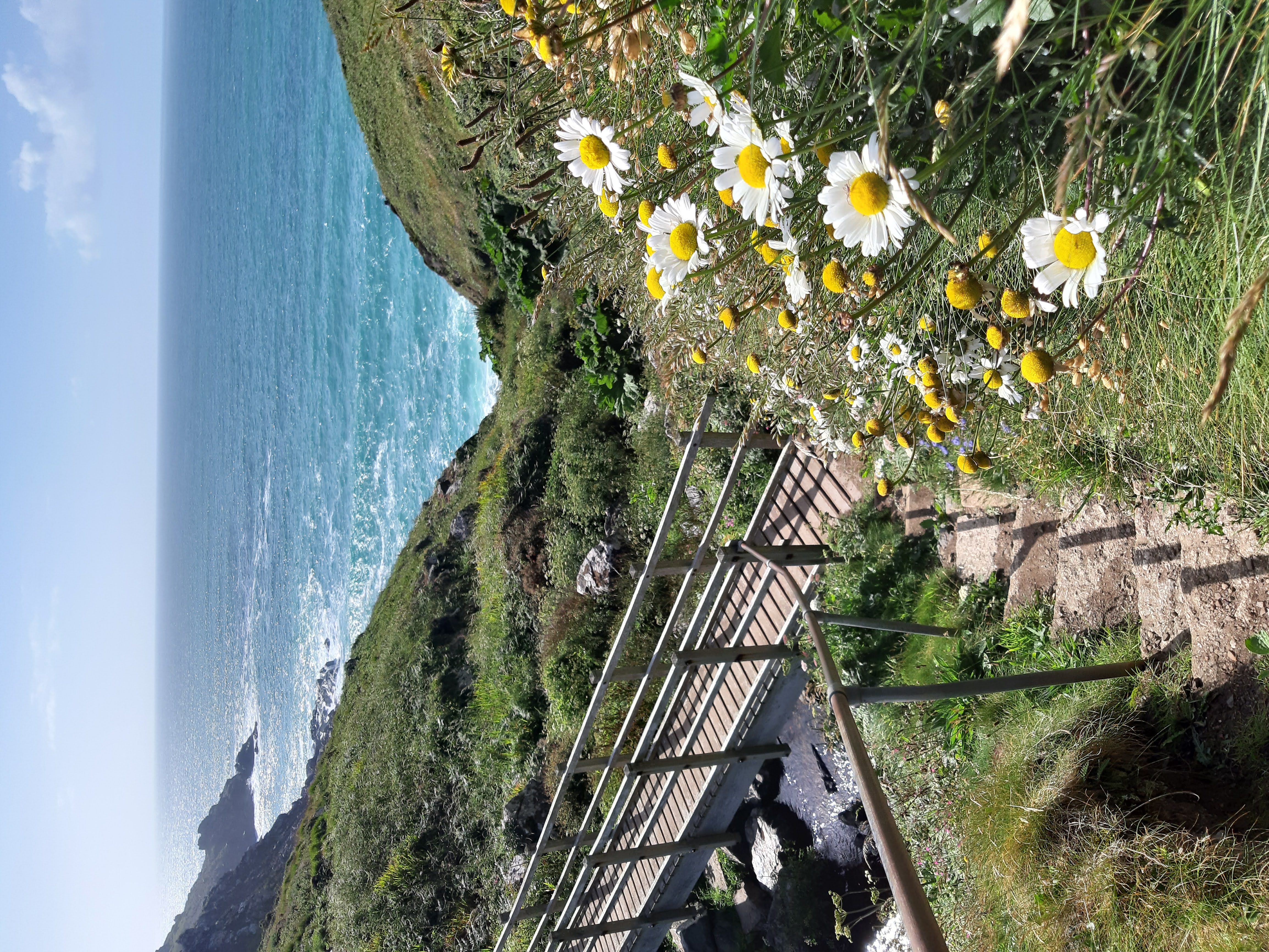
Coastal gardens can be a challenging place for plants. With strong winds and salt water spray to contend with, selecting the right plants is particularly important and where better to look for inspiration than out in nature itself.
While there are ways to make coastal sites slightly more hospitable to a wider range of plants, by creating windbreaks for example, the best way to create a thriving coastal garden is to look for plants that grow successfully in these conditions in the wild. Below are a few that I often spot doing well along the south coast of the UK, that would also work well as part of a coastal garden planting scheme.
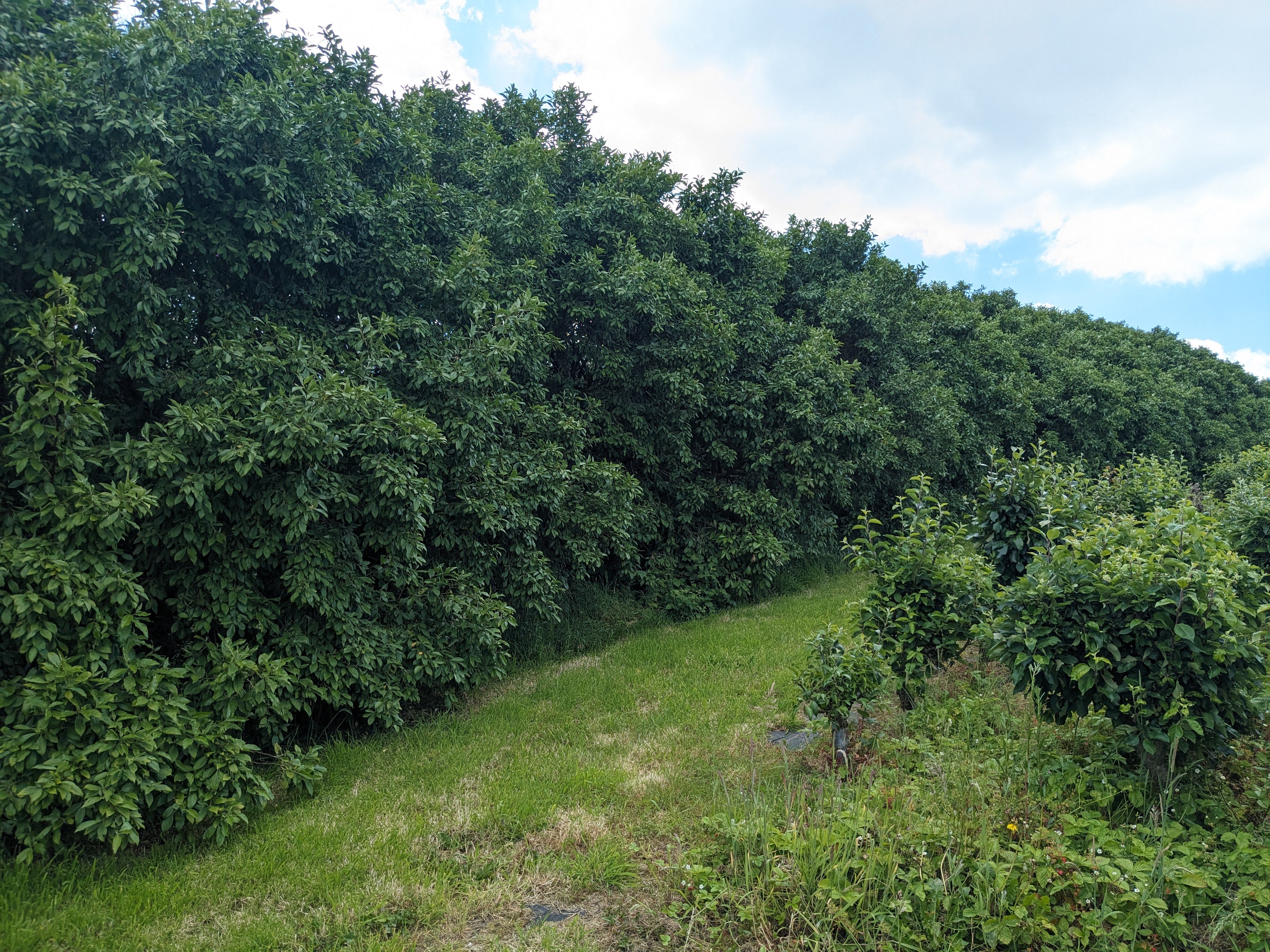
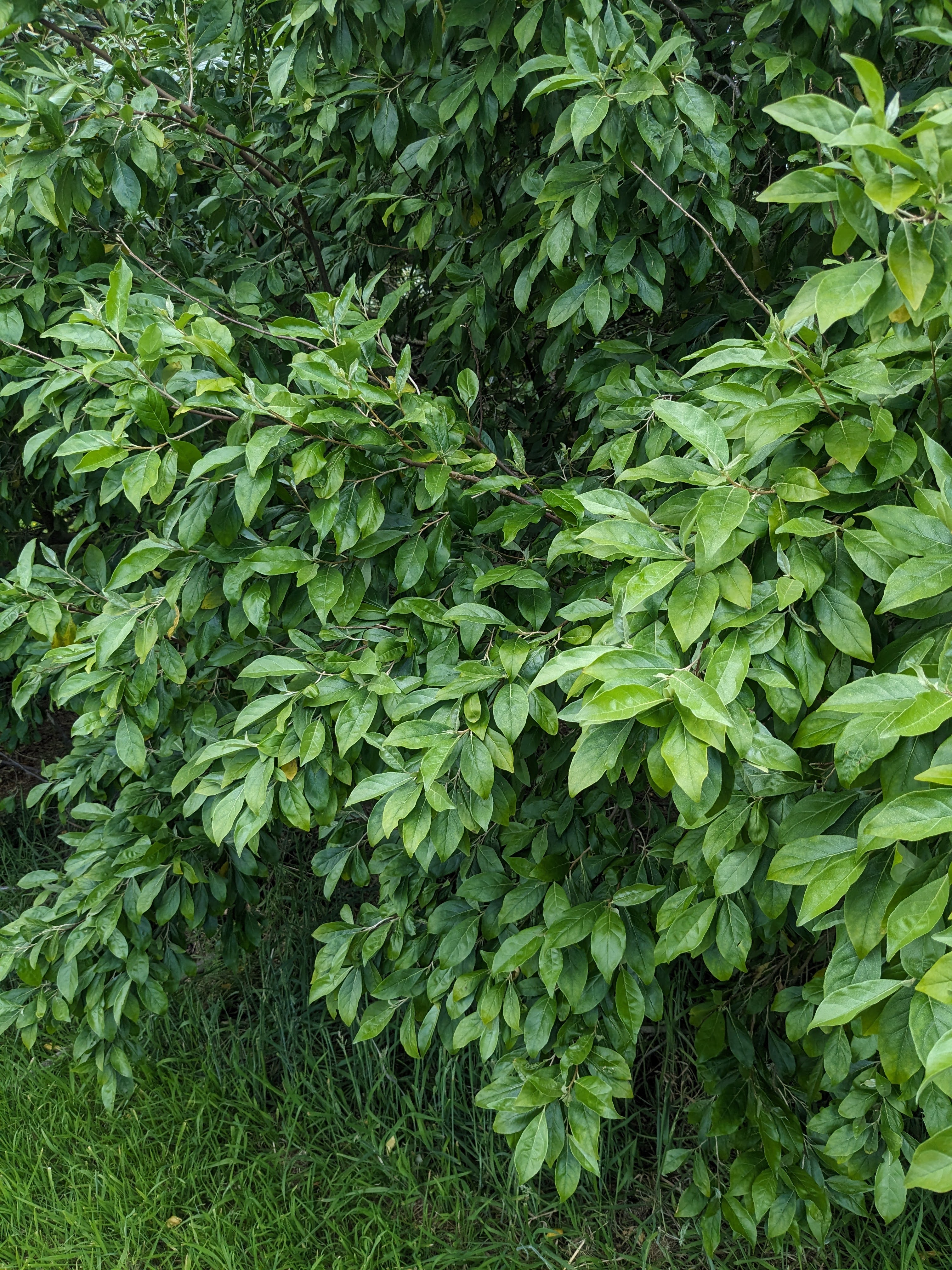
Elaeagnus x submacrophylla (Oleaster)
A large evergreen shrub (also called E. x ebbingei) that can grow up to 4m tall. It produces red, edible fruits in autumn and can be particularly useful grown as a hedge to form a windbreak to help protect smaller, more vulnerable plants.
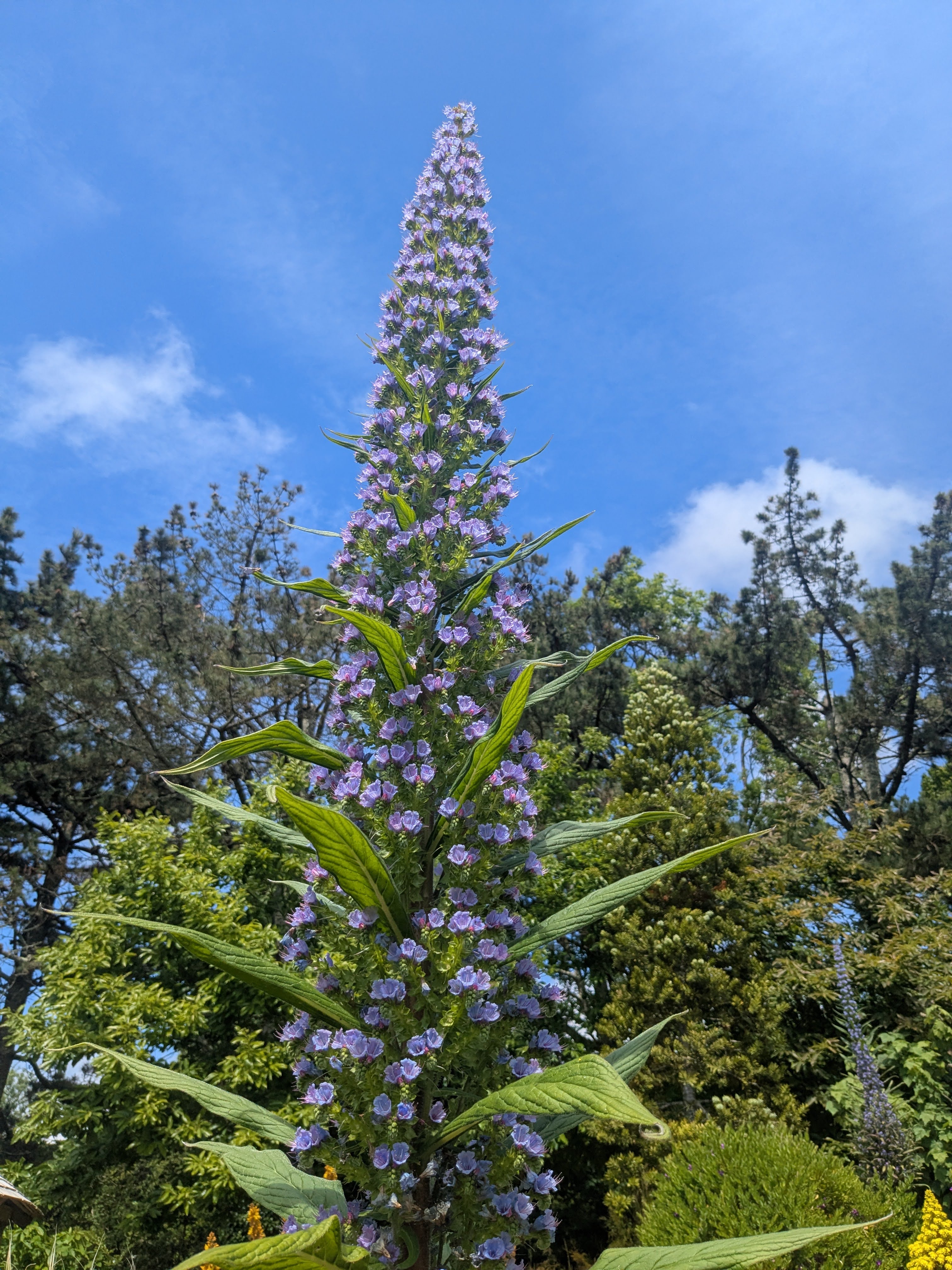
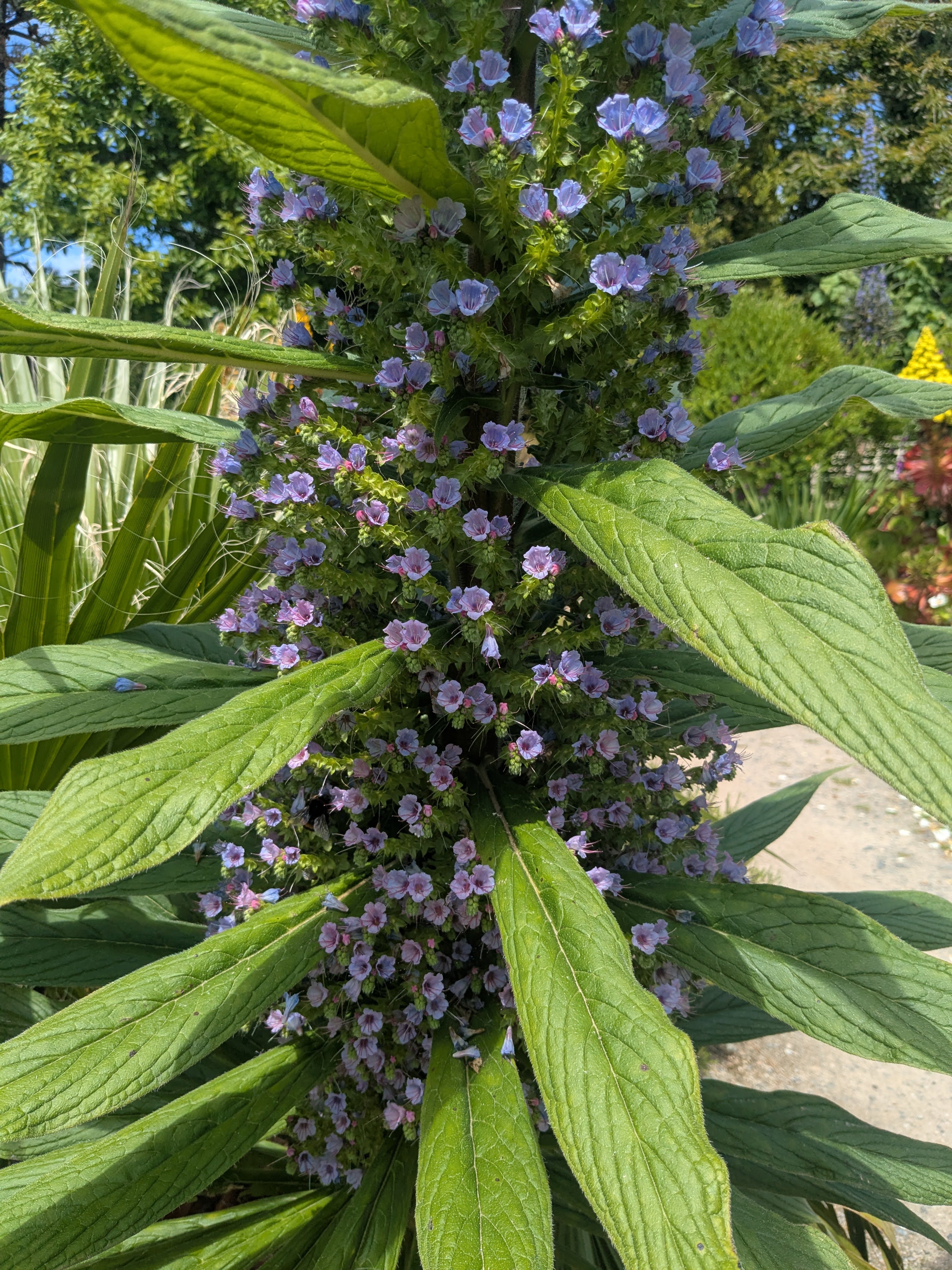
Echium pininana (Giant Viper's Bugloss)
A towering biennial with large silvery foliage in it's first year, followed by a distinctive cone of blue-purple flowers in summer the following year. Thriving in full sun, this impressive plant can reach 3-6m high and is loved by bees and pollinators. It is only half hardy (H3), so is best grown in mild areas on the south coast.
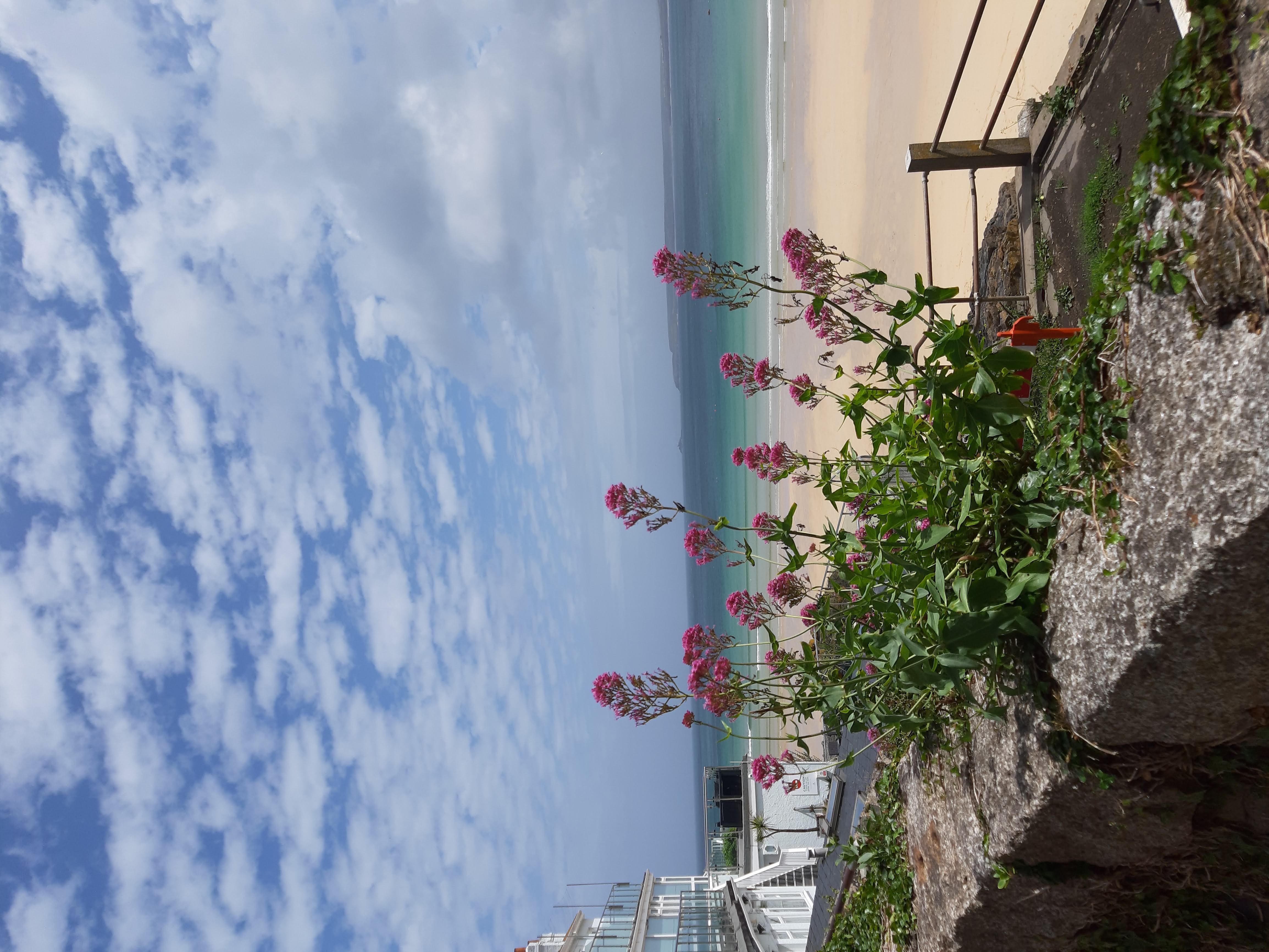
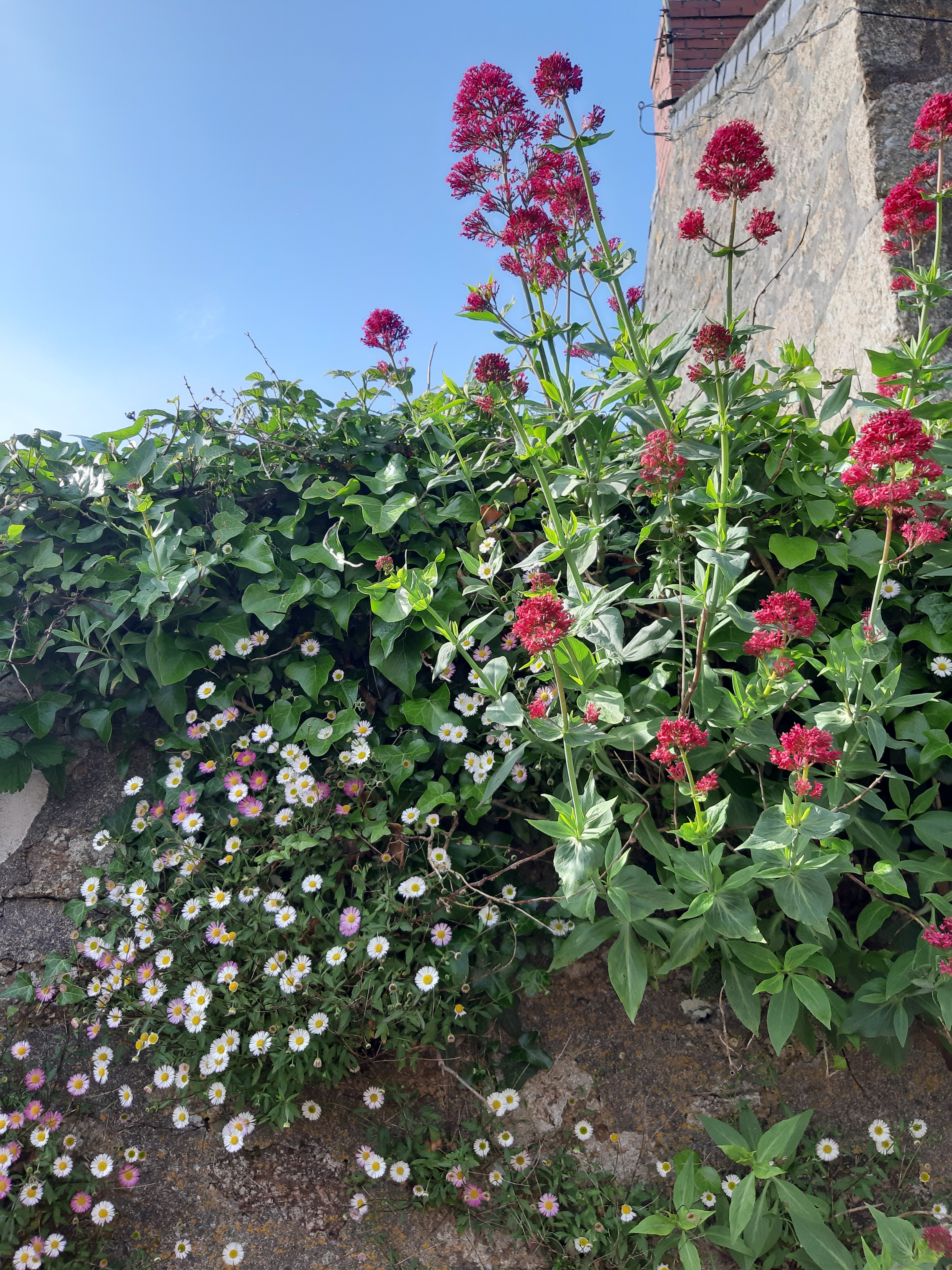
Centranthus ruber (Red Valerian)
This late flowering perennial is easy to spot with its clusters of red-pink flowers from July to October. It loves a sunny spot in well-drained soil where it will reach up to 80cm. It's also available in a white flowering form, C. ruber 'Alba'.
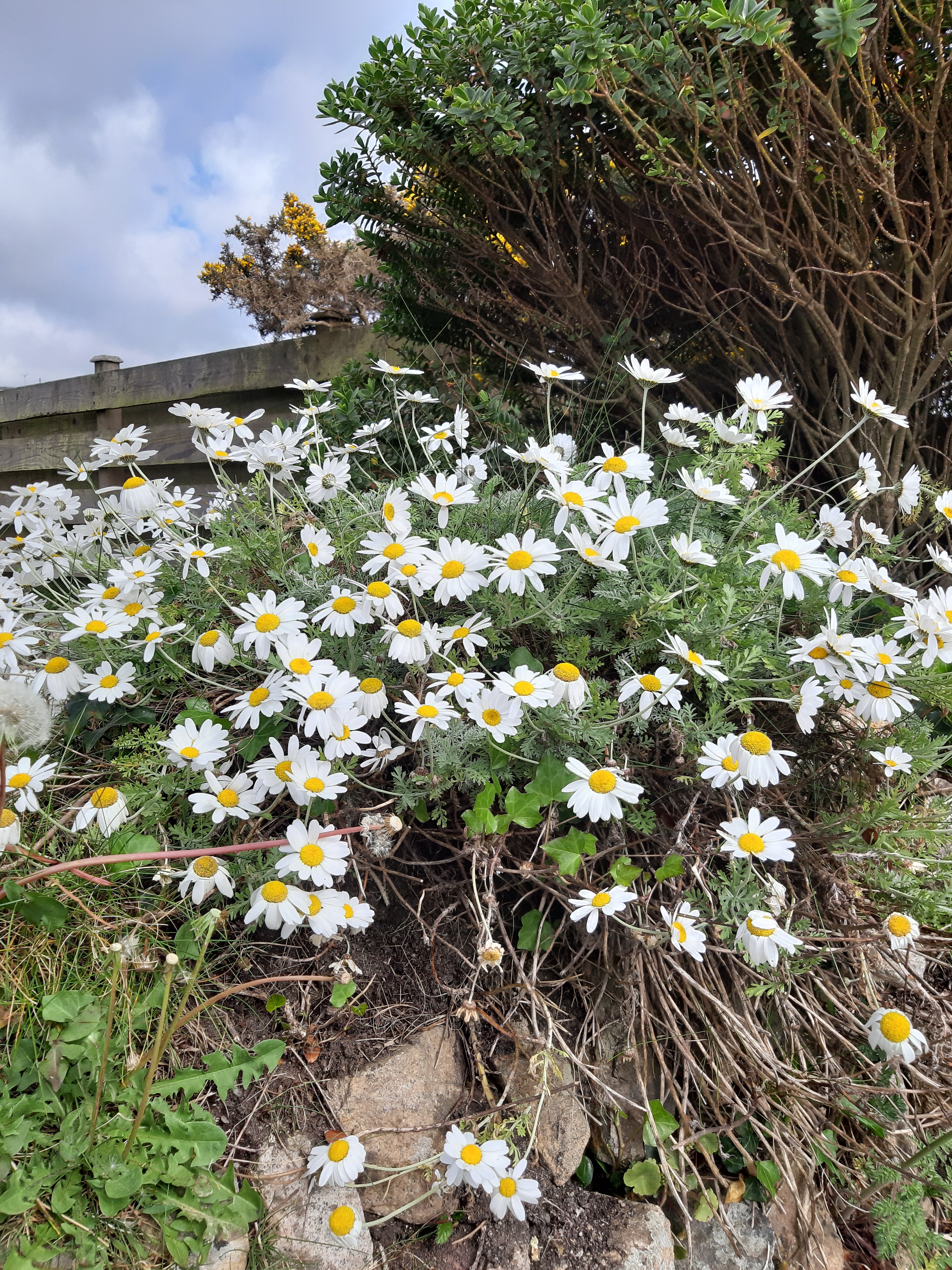
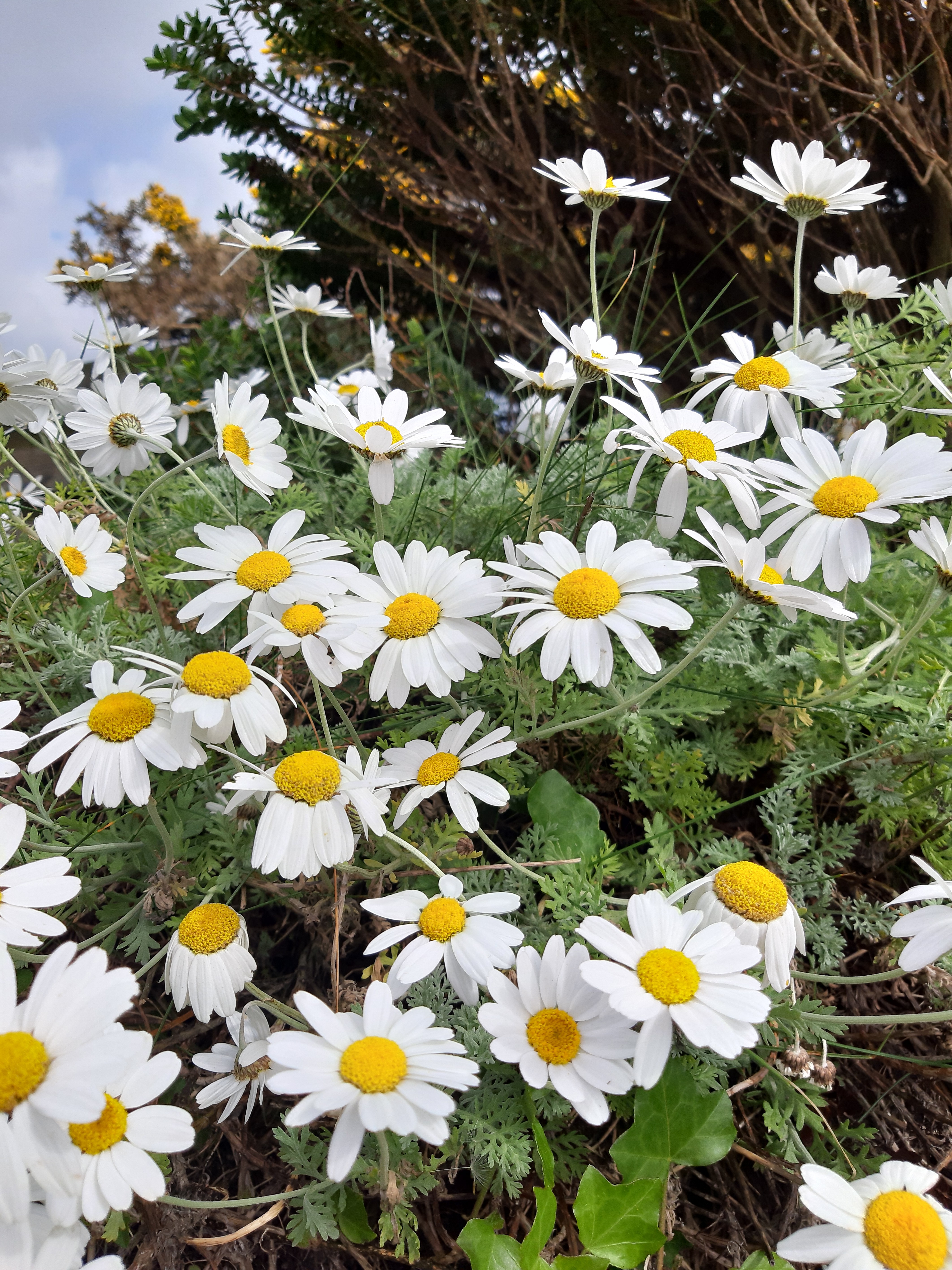
Anthemis cupaniana (Sicilian Chamomile)
A low growing perennial with classic daisy-like flowers from May to July. As you'd expect from Chamomile, the foliage is highly fragrant, so plant it in the top of walls or crevices near pathways and entrances where you will brush past it.
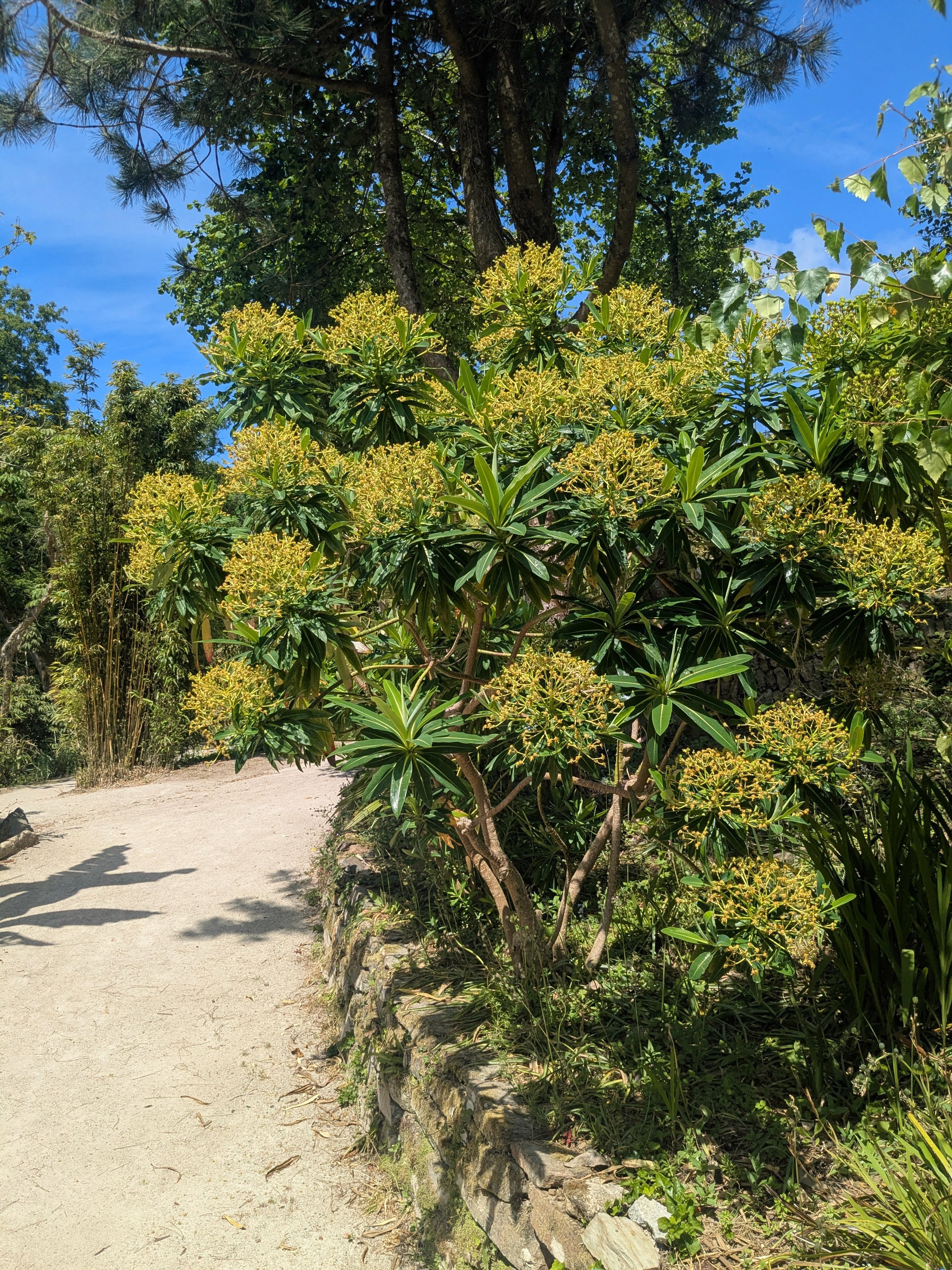
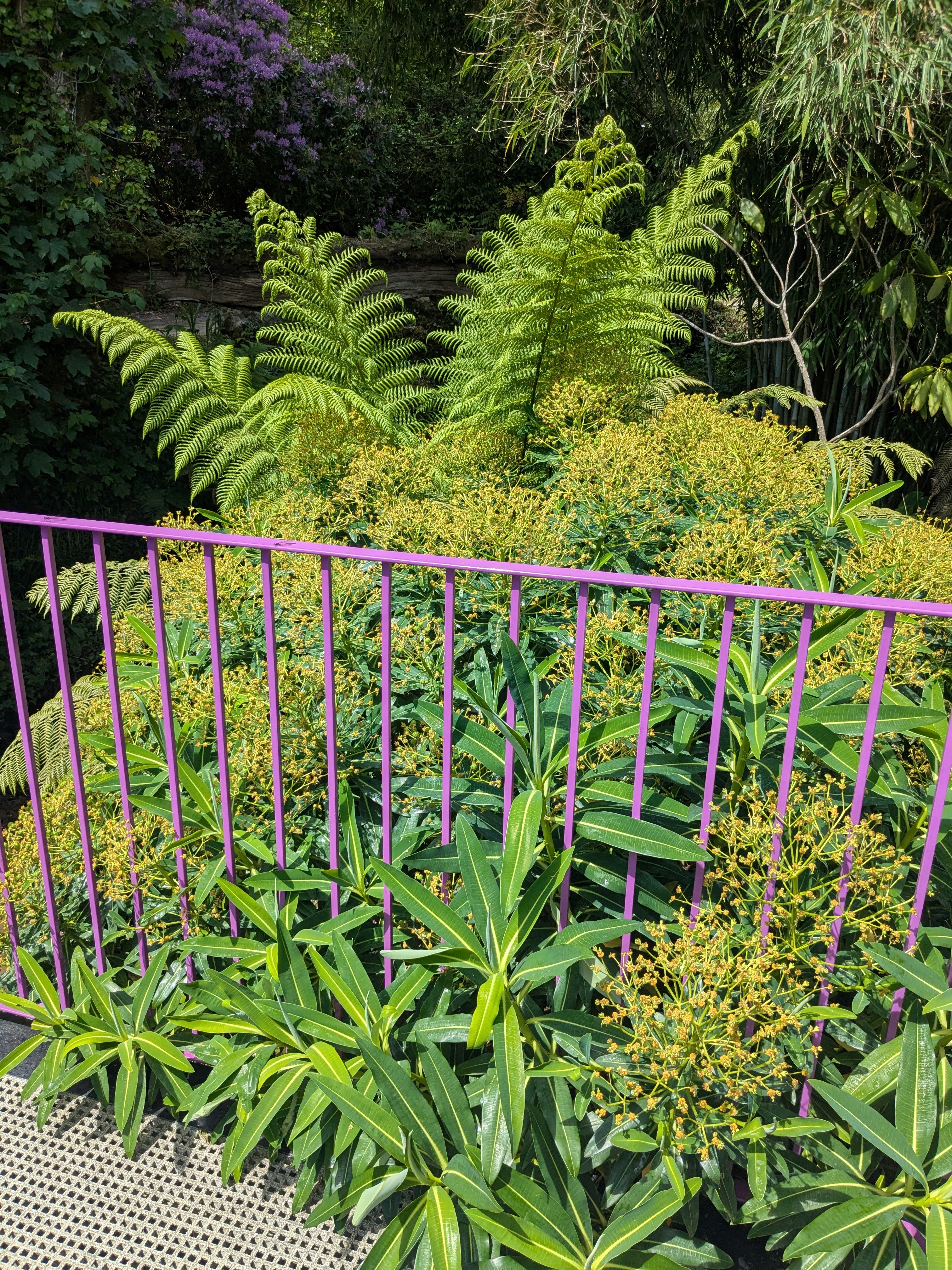
Euphorbia mellifera (Honey Spurge)
Another one for creating a beautifully scented garden, this large Euphorbia will reach around 2-2.5m in a sunny spot. Also loved by bees, mellifera literally meaning 'honey-bearing', it's definitely worthy of a place in your garden if you have the space!
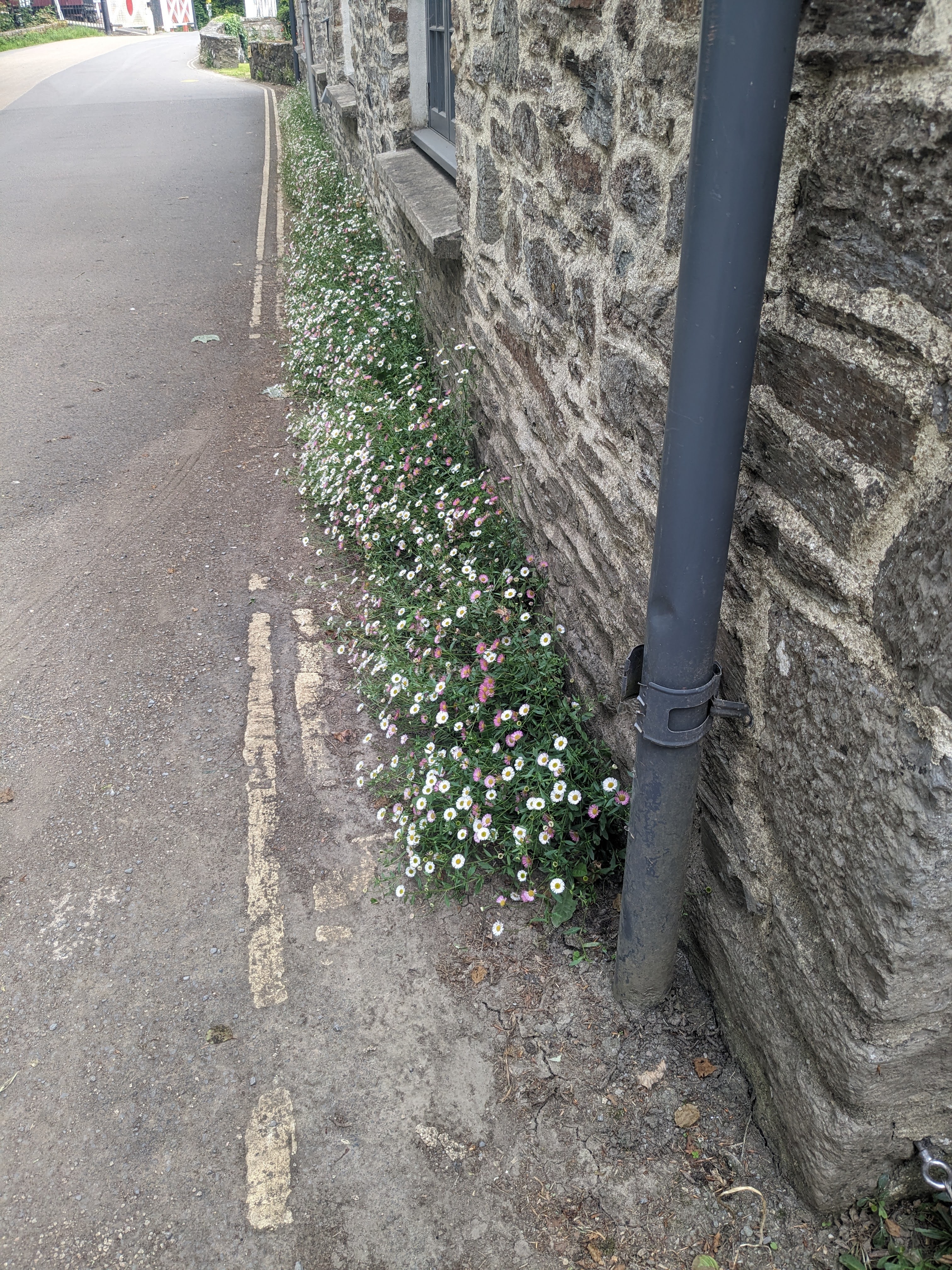
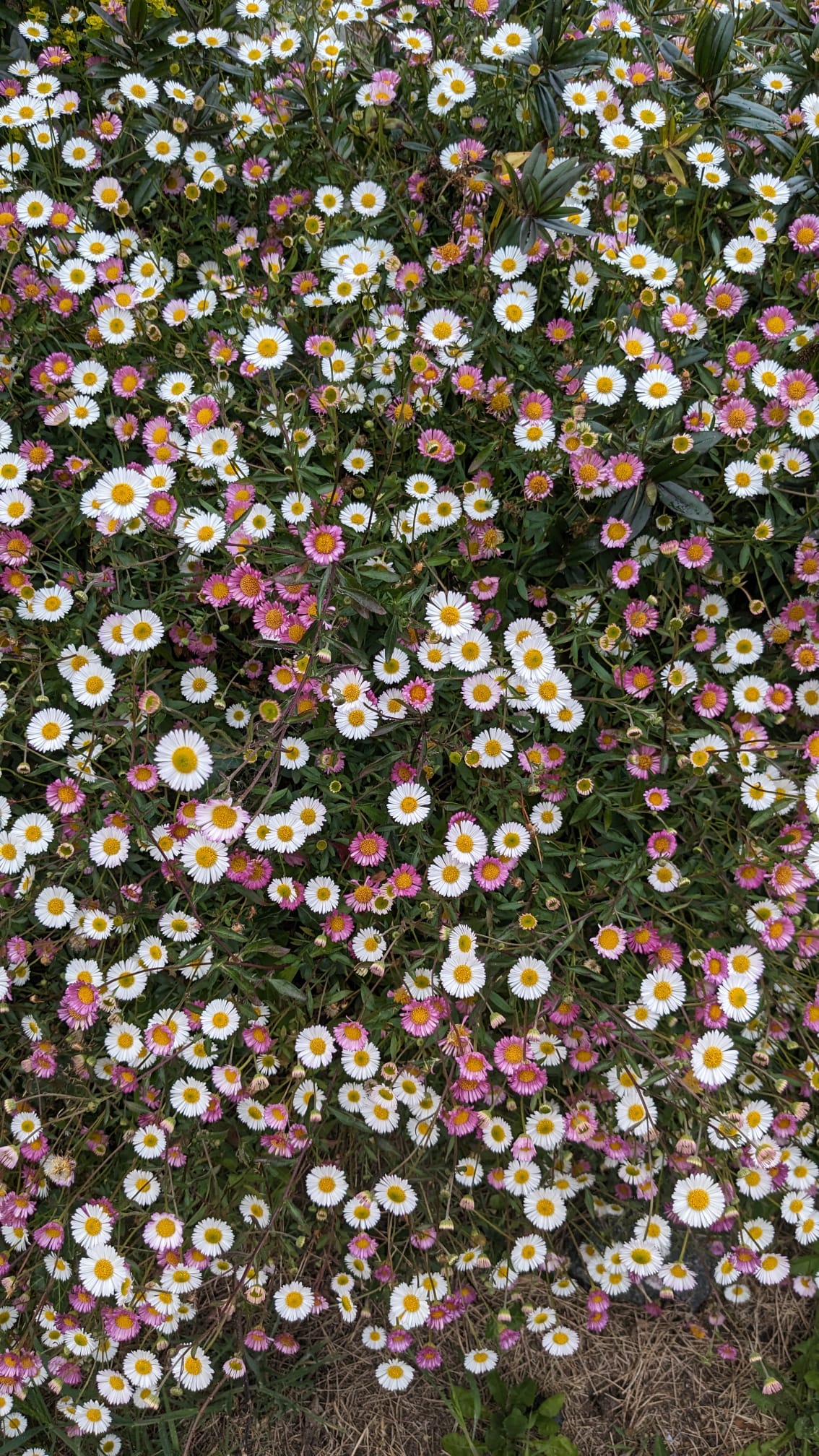
Erigeron karvinskianus (Mexican Fleabane)
Possibly one of the most undemanding plants going, this is a no brainer to include if your after maximum impact for minimal effort. It has an exceptionally long flowering period with masses of small white and pink flowers from May to October that help to soften edges and create that aged, 'always been here' look.
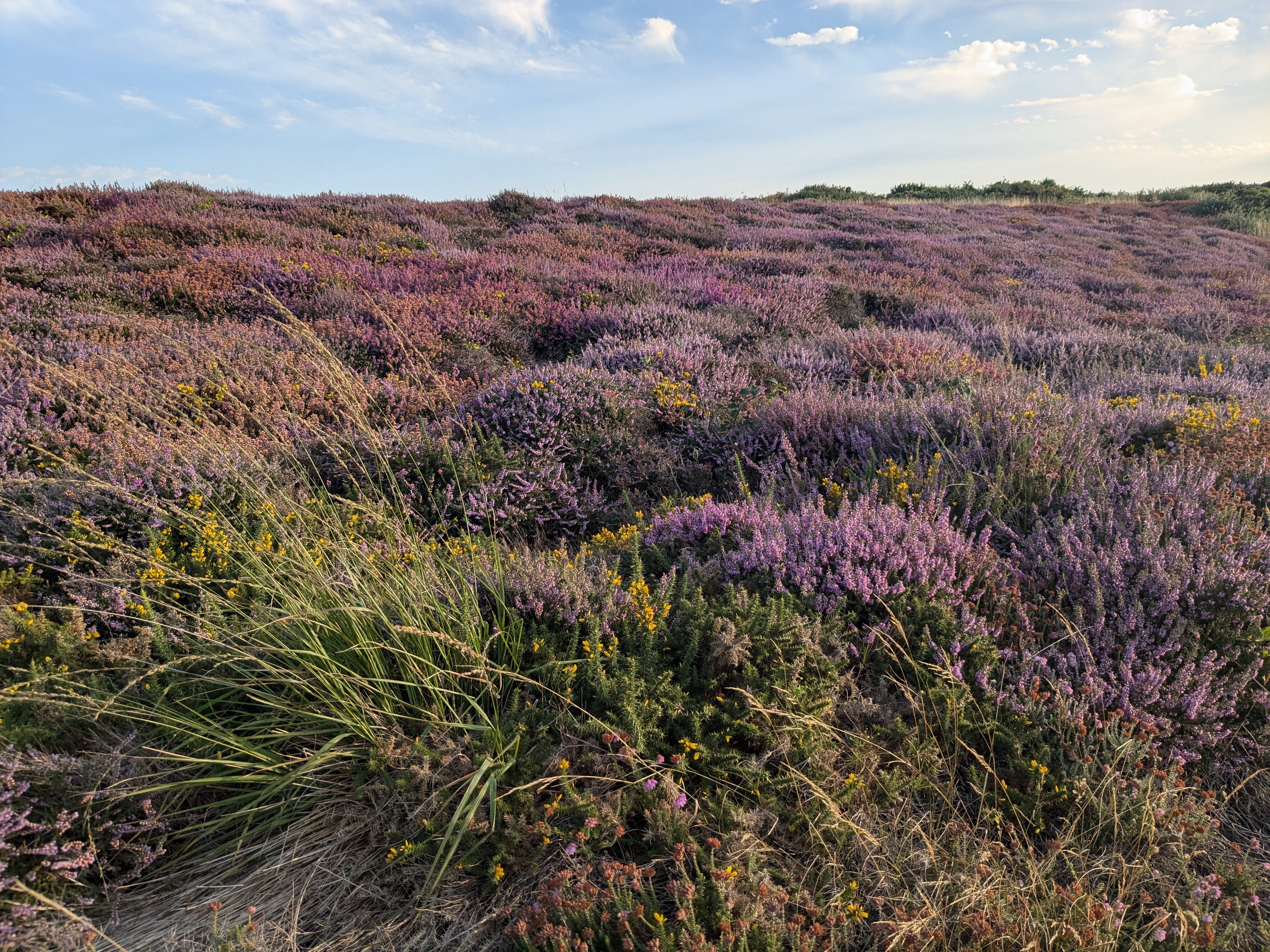
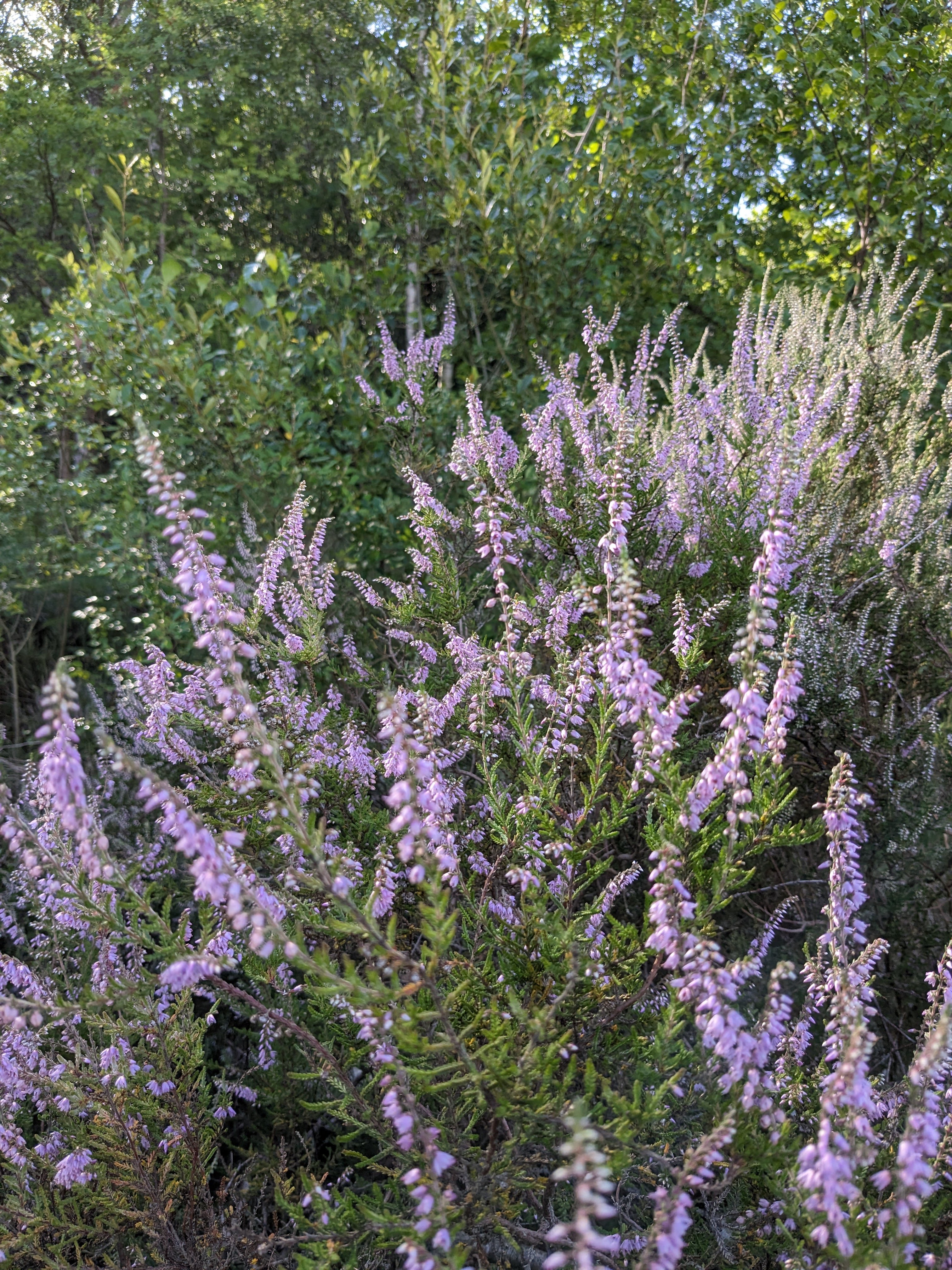
Calluna vulgaris (Common Heather)
A familiar low growing evergreen that thrives in well-drained soil and is native to the UK. It does need acidic soil, so if you're garden is naturally more neutral to alkaline, you could try it in pots or containers in a sunny spot where it will produce nectar-rich flowers from late summer into early autumn which are loved by bees.
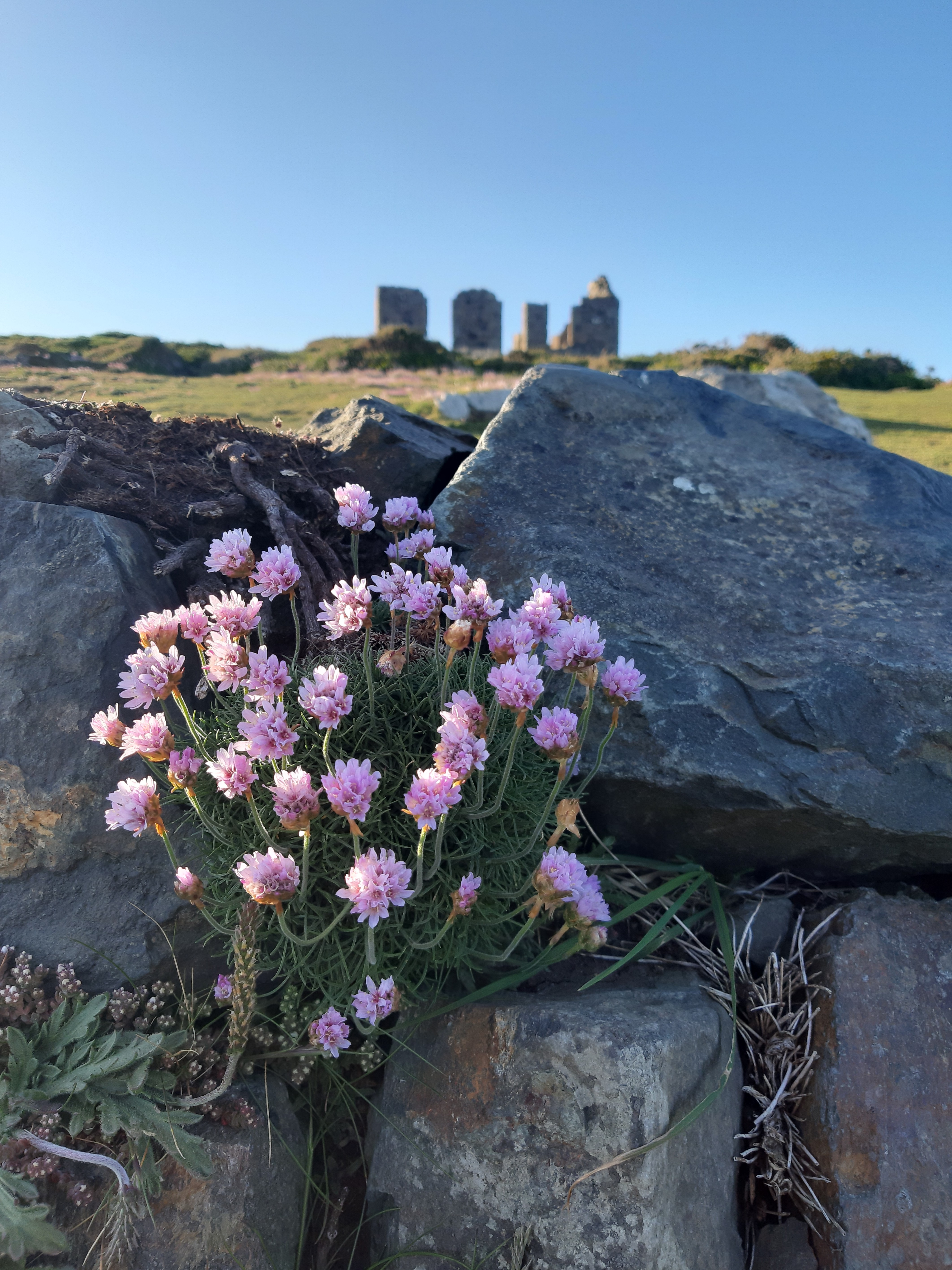
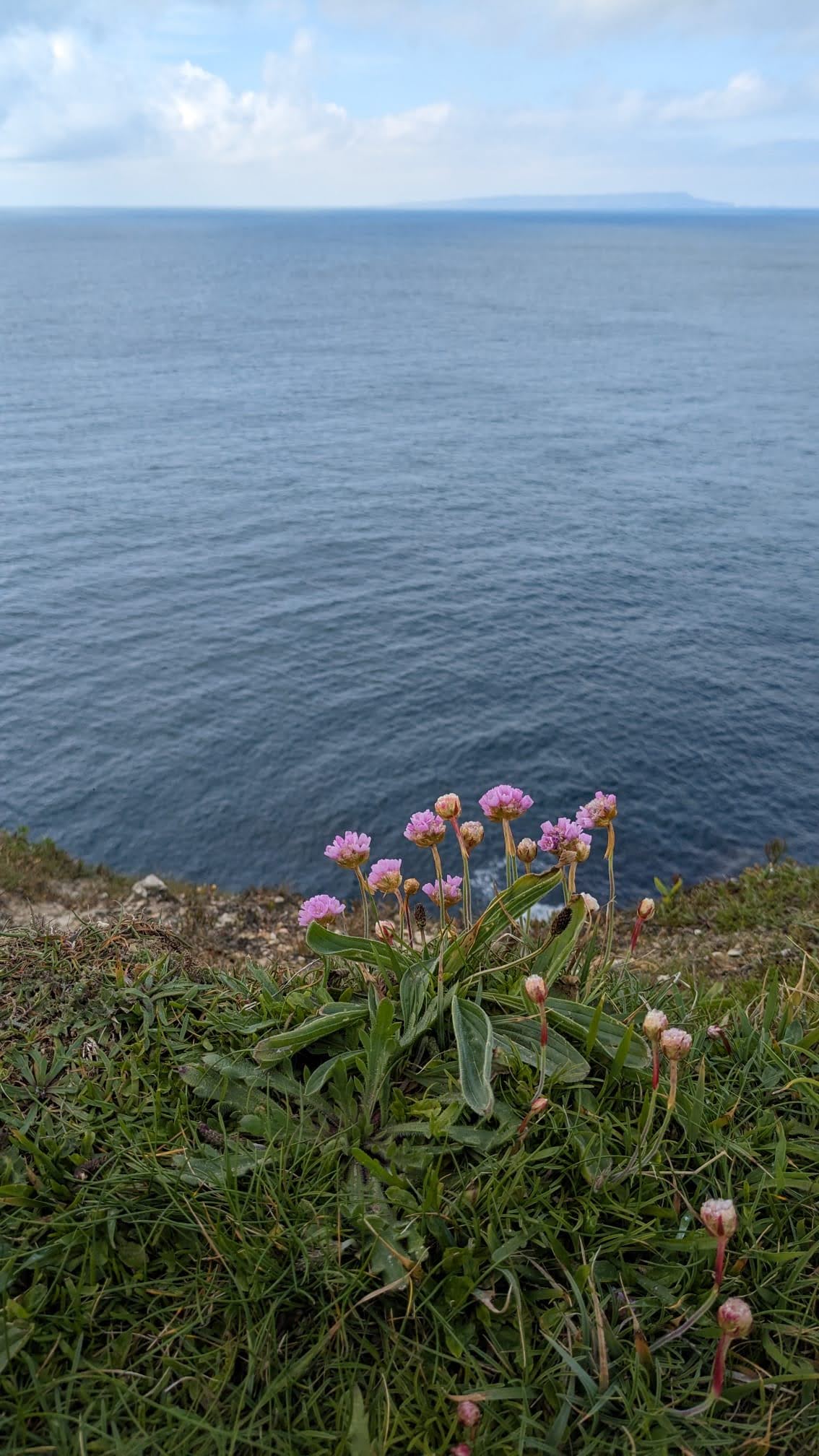
Armeria maritima (Sea Thrift)
The clue is in the name with this one which, no surprise, is a UK native commonly seen along our coasts and cliffs. There are a number of different varieties available with distinctive pom-pom like flowers ranging from whites, to pale and bright pinks.
Hyacinthoides non-scripta (English Bluebell)
And finally, the English Bluebell. More typically associated with woodland scenes, they also thrive in many places along the south west coastline and create a striking scene with an ocean backdrop when they flower in spring through April and May.
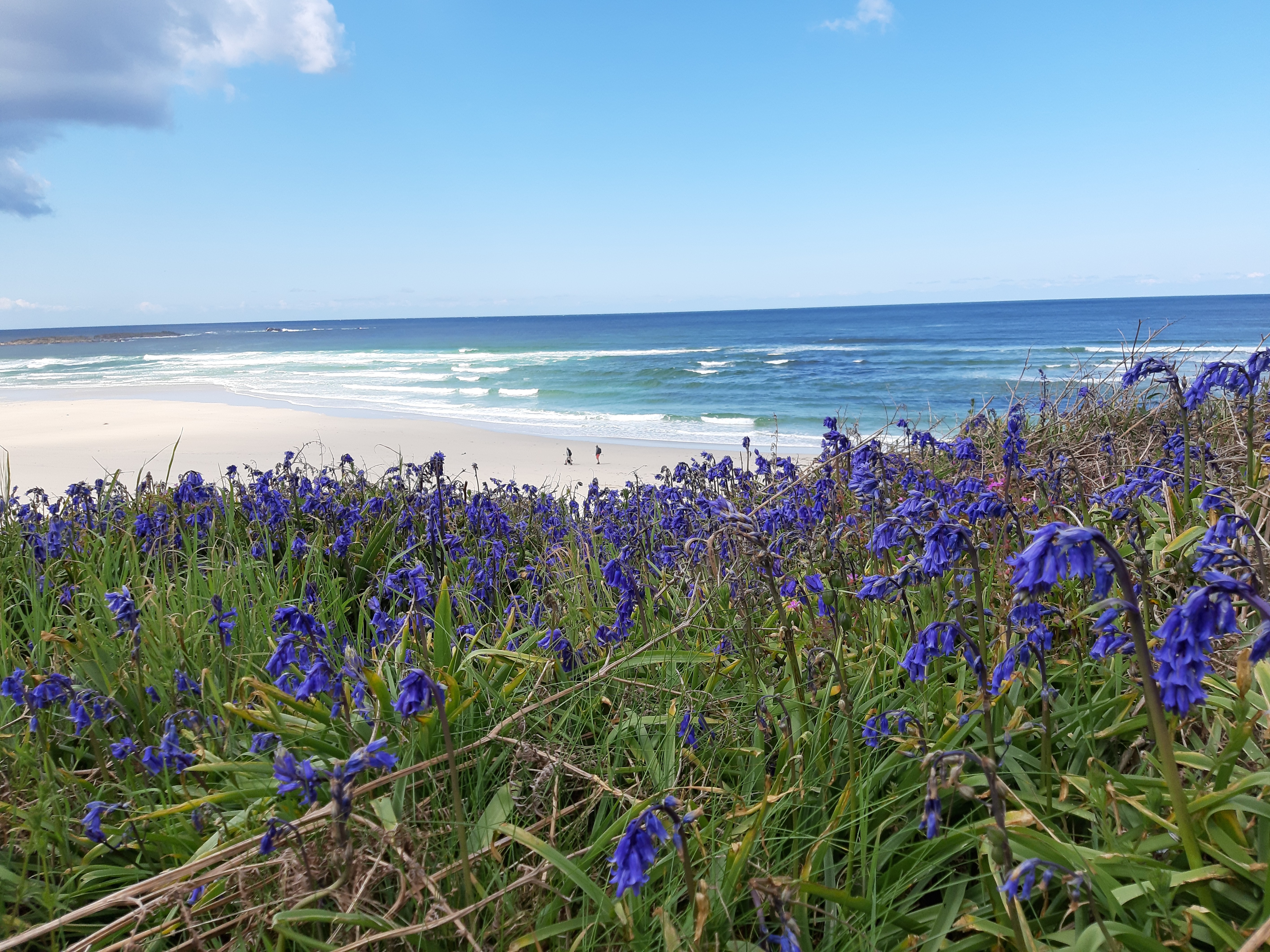
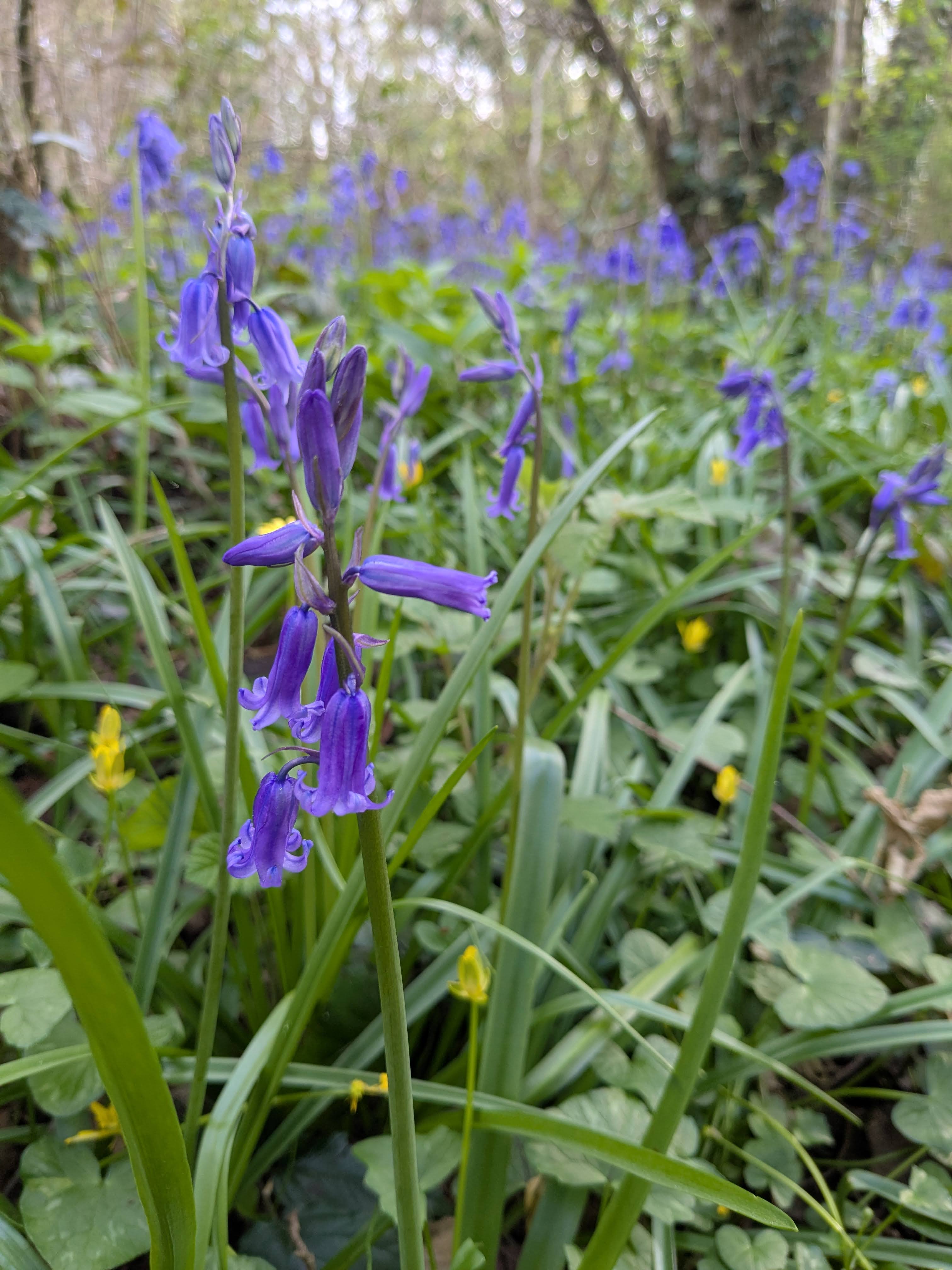
Looking to nature for inspiration.
This covers just a few possibilities of many that you could begin to build a coastal garden planting scheme around. Keep your eyes peeled next time your at the coast and you will find plenty more examples of plants that will be happy to have a home in your garden. If you spot something of interest, but aren't sure what it's called or if it would be suitable, apps like PlantNet can be really useful for helping to identify plants you might not be familiar with.